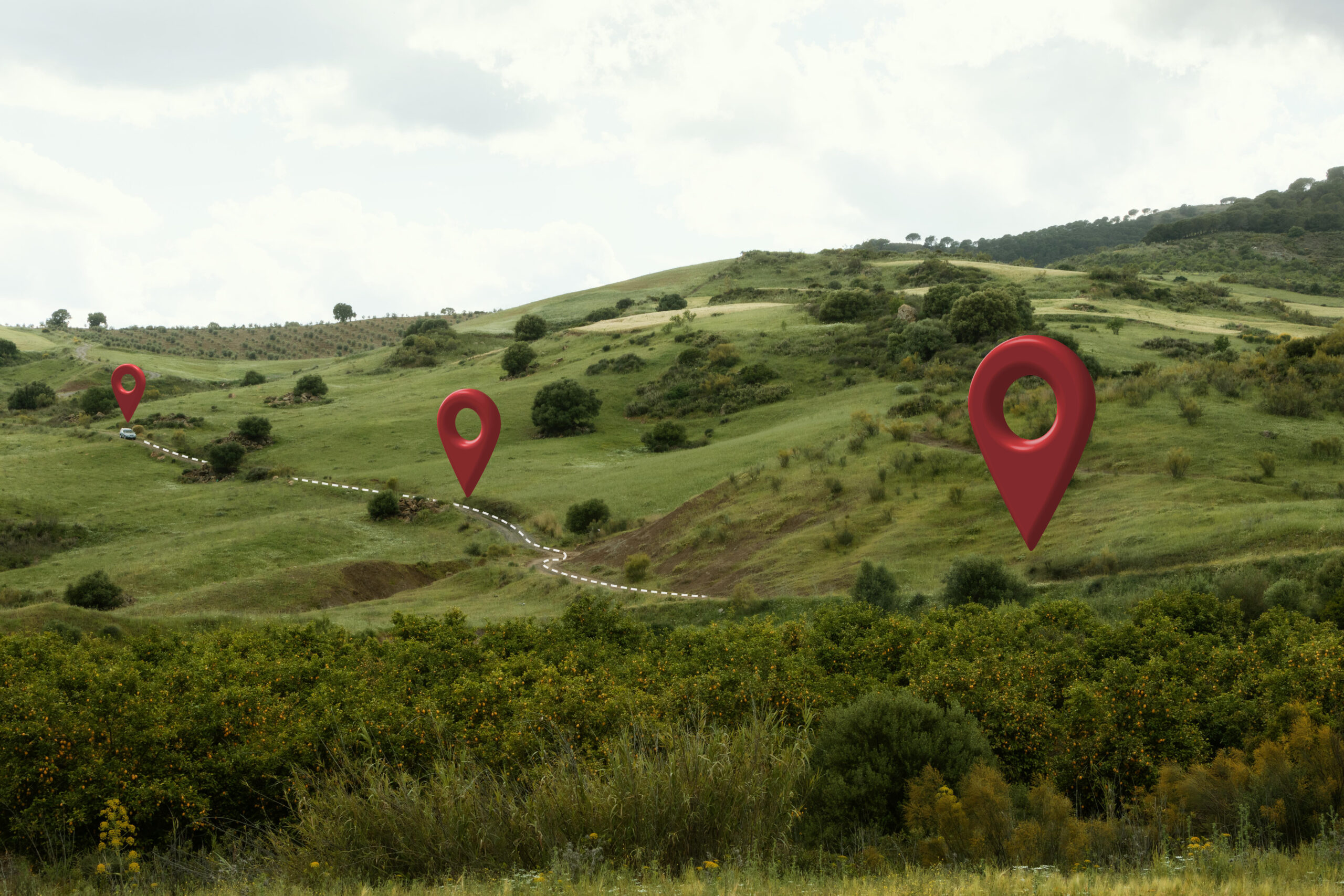
Tourism is increasingly recognised at European level as a strategic driver for sustainable rural development. This was the focus of the event “Revitalising Rural Europe: Tourism as a Force for Positive Change”, held on 28 January in Brussels as part of the EU Tourism Week, where policymakers and international organisations discussed how tourism can contribute to revitalising rural and peripheral areas.
During the event, key findings from the Rural Tourism Renaissance Report were presented, highlighting the growing demand for rural destinations. More than half of European travellers are now seeking alternatives to overcrowded urban hotspots. Despite this trend, rural tourism receives only a marginal share of rural development funding — approximately 0.5% — even though in some remote areas it accounts for up to 23% of local employment.
The discussions emphasised the need to integrate tourism into broader rural development strategies. This includes strengthening synergies with agriculture, infrastructure planning, digital connectivity, skills development, and regional policy frameworks. Speakers underlined that investment mechanisms and community-led governance models are essential to ensure long-term socio-economic benefits for rural territories.
In this context, the outcomes of the Brussels event are particularly relevant for CLUSTERTATLAS4MED, which promotes sustainable tourism development across Mediterranean regions. The project’s focus on supporting cluster networks and enhancing cooperation among local stakeholders aligns with the broader European objective of fostering territorial cohesion, green transition, and inclusive regional growth.
Mediterranean rural and peripheral areas face challenges similar to those identified at EU level, including underutilised tourism potential, demographic decline, and fragmented policy approaches. By facilitating knowledge exchange, encouraging strategic investment, and promoting evidence-based planning, CLUSTERTATLAS4MED contributes to positioning tourism as a lever for sustainable rural regeneration.
 Next Med