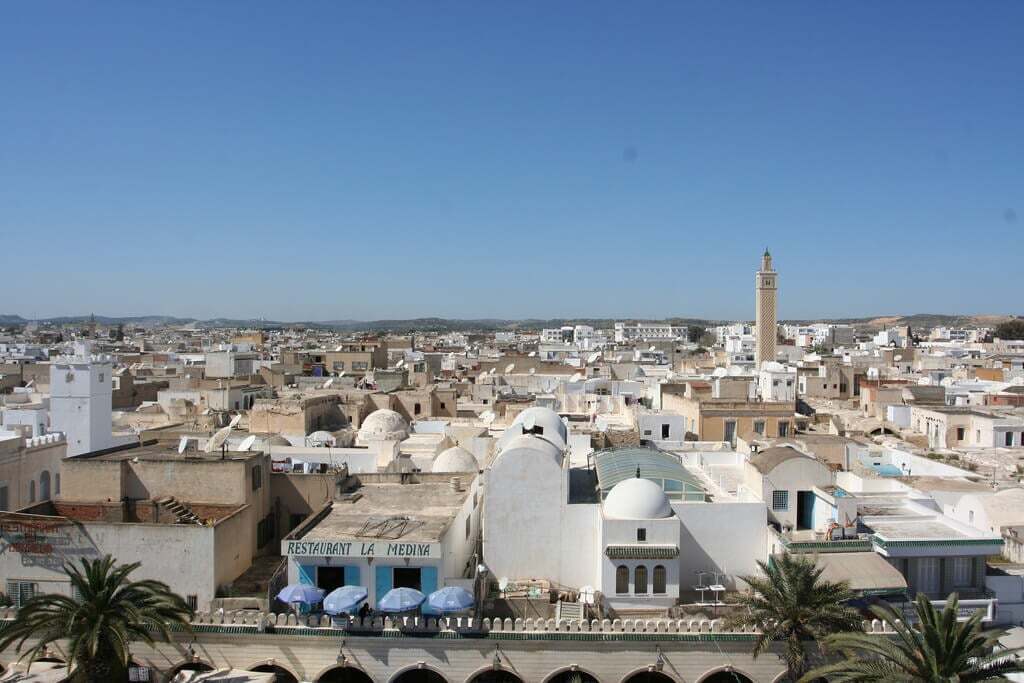
Waste management is a challenge that impacts every community, influencing public health, environmental sustainability, and economic development. In the Mediterranean, there are particularly significant challenges in waste collection, recycling, prevention, and the management of municipal solid and food waste.
Nabeul, a municipality in northeastern Tunisia will address the challenges of waste management by piloting local policies that set rules for cooperation on waste prevention and waste valorization. These rules will be mainly addressed to the largest waste producers, such as university and school canteens, university dormitories, and hotels. To set these rules, cooperation agreements will be included in a broader strategic plan, like a Municipal Waste Management Plan (MWMP).
Nabeul will focus first on boosting recycling of solid waste (organic, plastic, cardboard, aluminum) in one student canteen and one hotel. This will actively involve civil society, especially students, local associations, and a sample of citizens.
The municipality of Nabeul, along with the other pilot cities of the Goov4GreenMed project, will include awareness campaigns to inform and engage participants. They will set up collective composters for organic waste, and they will promote separate collection of solid waste involving waste pickers. Also, technical guidelines will be elaborated to support local partnerships for solid waste valorization.
The Gov4GreenMed project, under the Interreg NEXT MED program, aims to address the challenges faced by the municipality of Nabeul in Tunisia, as well as other municipalities in Spain, Italy, Jordan, and Türkiye. The project seeks to foster effective cooperation between local authorities and various stakeholders and to strengthen local governance models. Its goal is to support the implementation of shared public services, enhance citizens’ quality of life, and promote the green transition of Mediterranean municipalities.
 Next Med