SALAM project launches to bring cardiology care closer across the Mediterranean

The SALAM project officially launched in Bari, bringing together partners from Italy, Spain, Lebanon and Jordan to improve access to cardiology care. Through telecardiology, hospital hubs and mobile units, the initiative aims to support underserved communities across the Mediterranean.

Publication Date
10/03/2026
Reading Time
3 minutes

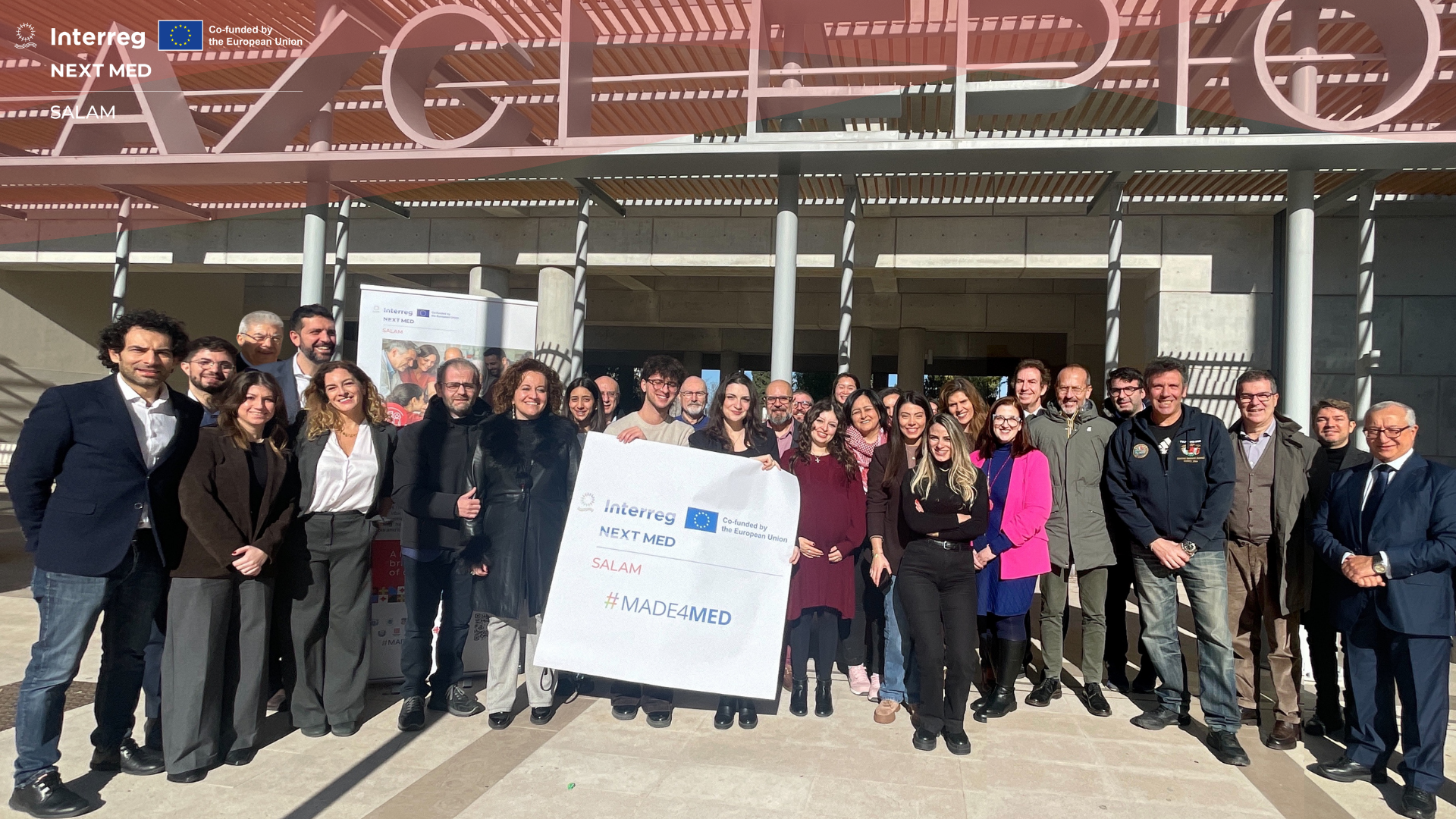
On 29–30 January 2026, a new cooperation journey began in Bari, Italy with a clear goal: bringing cardiology care closer to people, even where distance, fragmentation and inequality still limit access to health services.

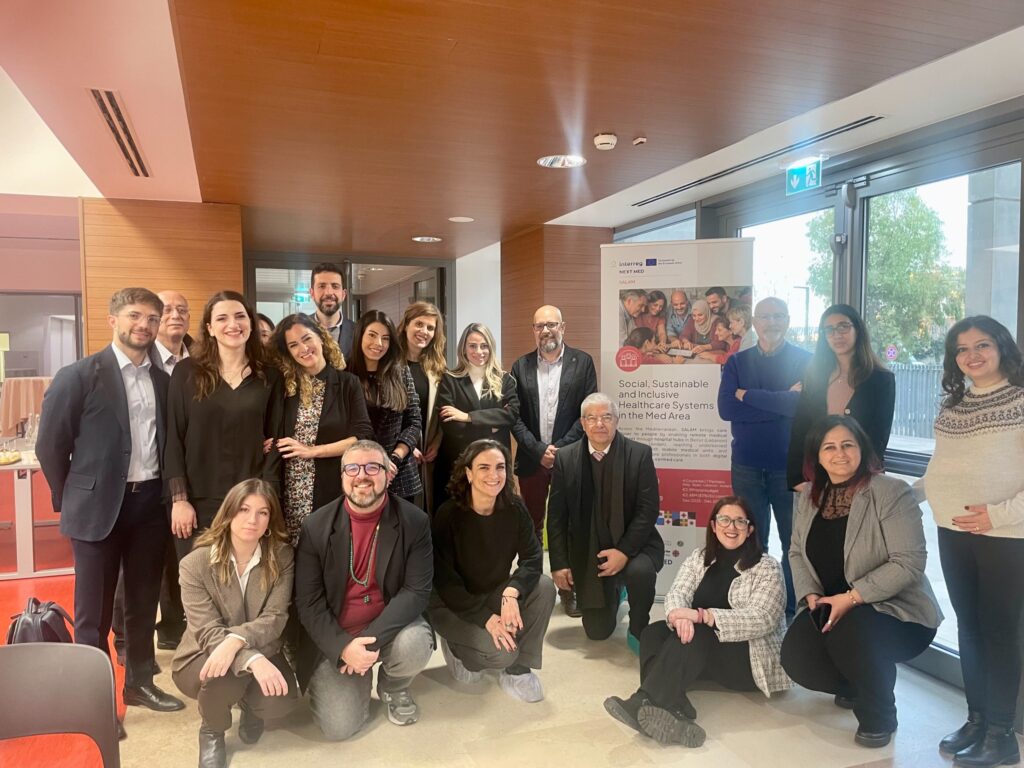
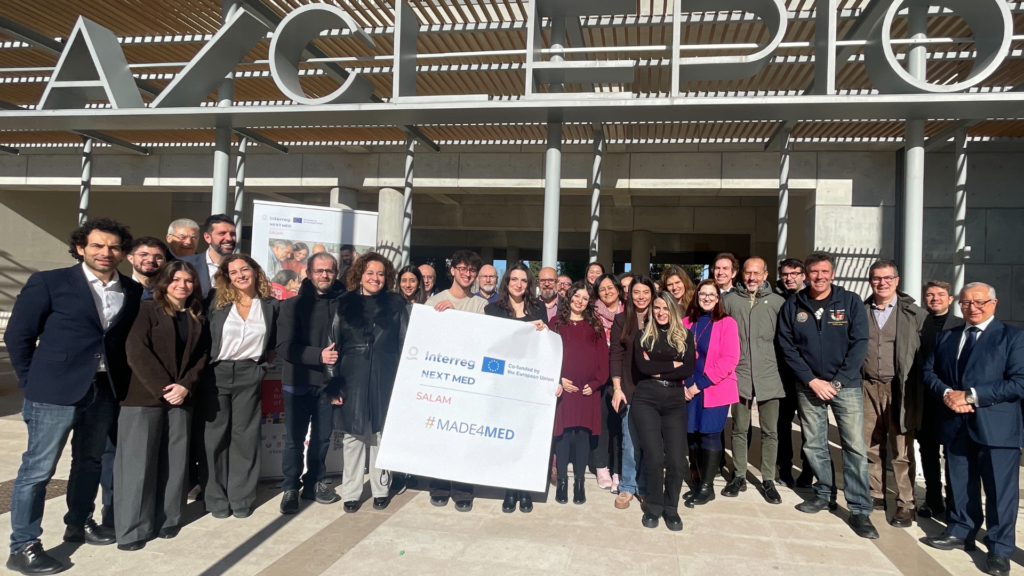
This marked the official launch of SALAM – Social, Sustainable and Inclusive Healthcare Systems in the Mediterranean Area, a cooperation project funded by the Interreg NEXT MED Programme and presented during its Kick-off Meeting at the Asclepios III Pavilion of the Polyclinic of Bari (Italy).

Hospitals, universities and humanitarian organisations from across the Mediterranean joined forces to address a shared challenge: how to ensure continuity of heart care for people living with chronic and time-dependent conditions, in contexts where geography and social vulnerability still shape access to healthcare.

When distance becomes a barrier to care

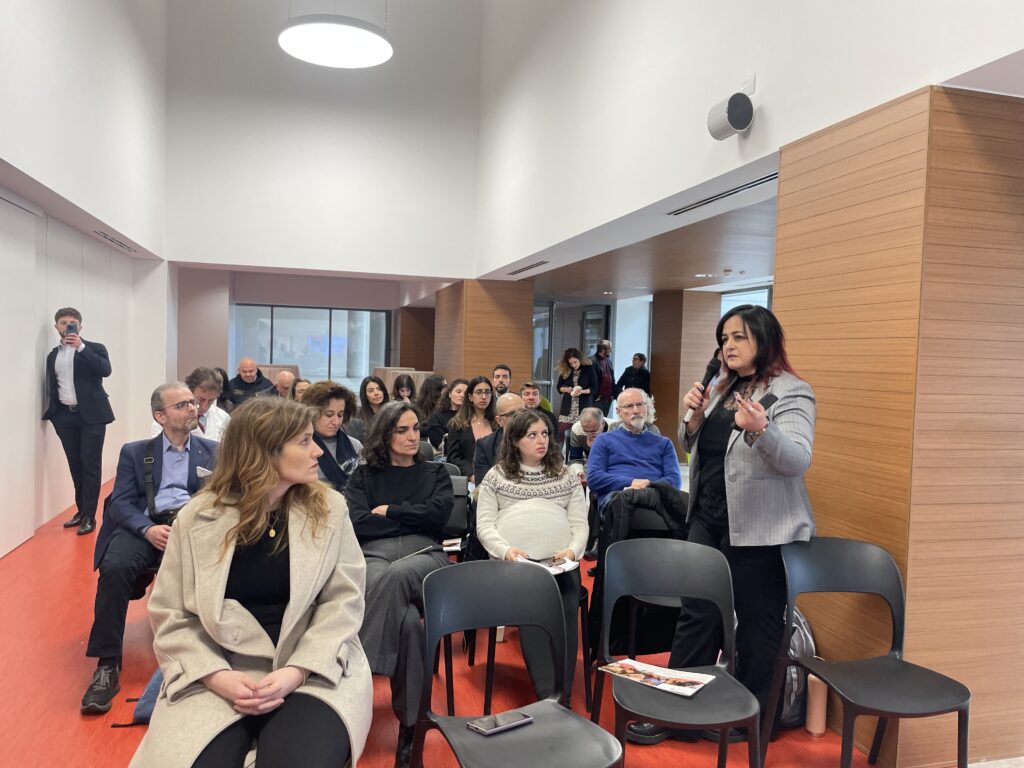
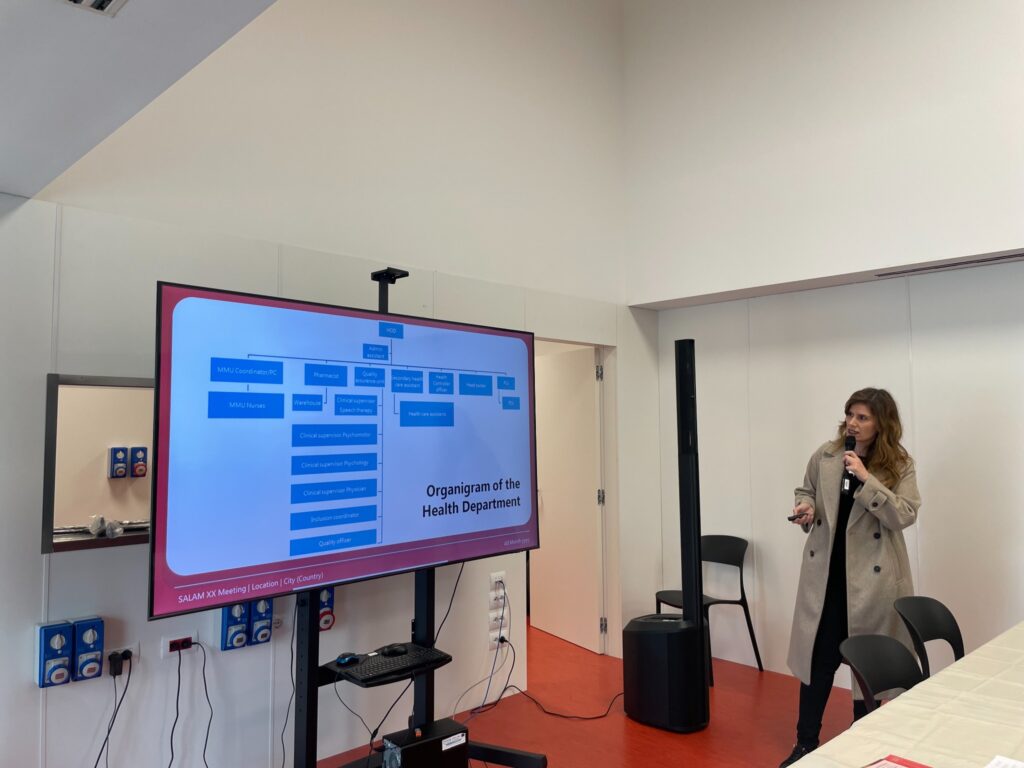
Across many Mediterranean regions, access to cardiology care is influenced by more than medical needs alone. Long distances, fragile healthcare infrastructures, limited specialised services and social inequalities can interrupt diagnosis, monitoring and follow-up, with serious consequences for people living with heart conditions. The urgency of this challenge is clearly felt on the ground by project partners; as Cindy Hakmeh, Head of the Health Department at Caritas Lebanon, explained during the meeting:

“In recent years, Lebanon has faced severe disruptions, including the COVID-19 pandemic, the devastating Beirut explosion and an ongoing economic collapse. In this context, European interregional cooperation is vital. Through the SALAM project, by connecting our local expertise with a Mediterranean network of partners, we are moving beyond emergency responses towards sustainable, technology-driven solutions that allow us to reach the most vulnerable communities and connect remote patients with specialist care.”

Turning cooperation into proximity

SALAM starts from a simple but powerful idea: cooperation can reduce distance and bring care closer to people.

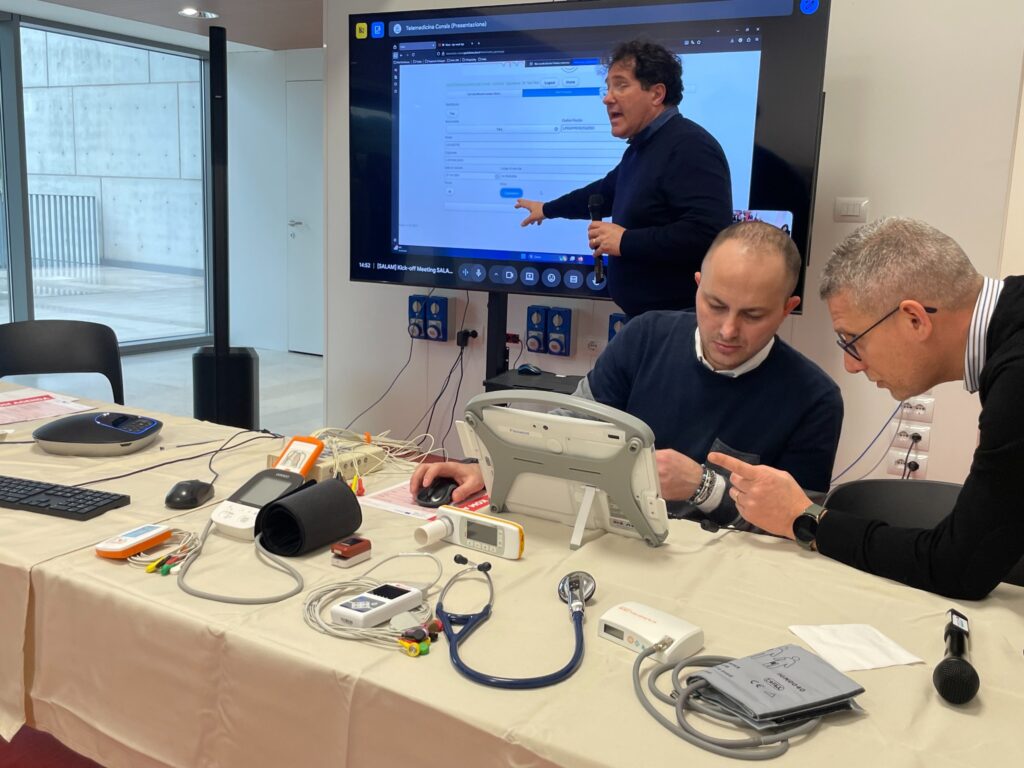
Coordinated by the Polyclinic of Bari, the project builds on existing experience in telecardiology — the use of digital tools to support heart diagnosis and monitoring at a distance. At the centre of this approach is HELIS Infarct.NET, a telecardiology platform already operating in the Apulia region. The system was previously developed by the Polyclinic of Bari within the framework of the European Interreg PHASE project (Interreg IPA CBC Italy–Albania–Montenegro 2014–2020).

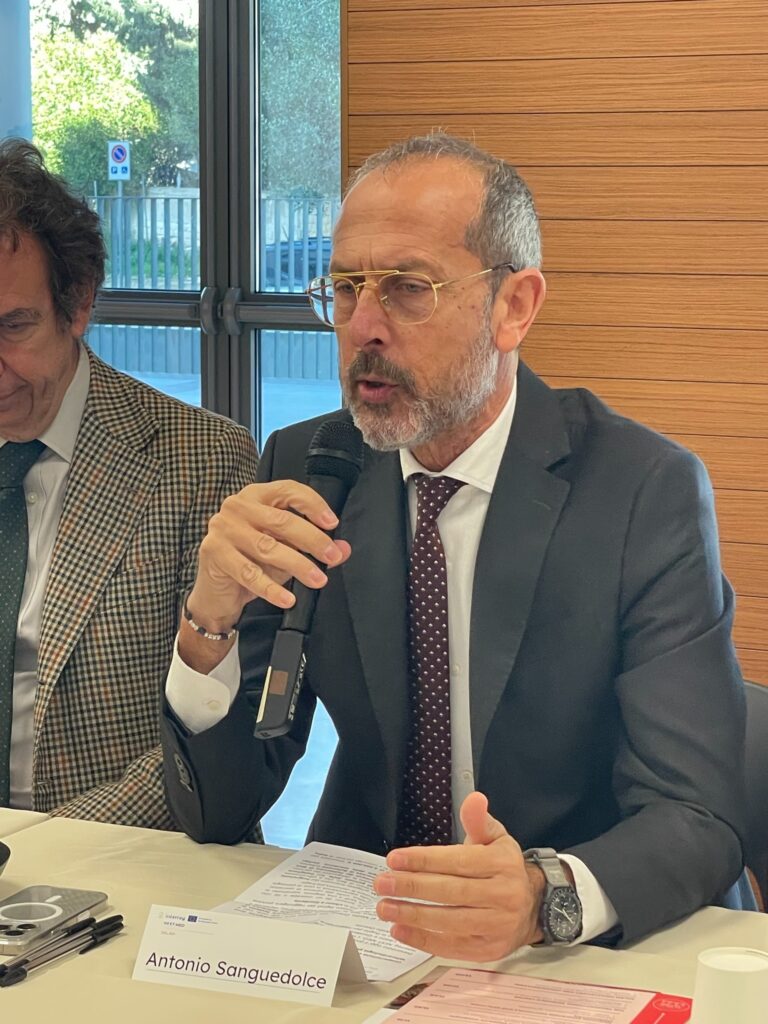
As highlighted by Antonio Sanguedolce, General Director of the Polyclinic of Bari, in his opening remarks:

On average, the telecardiology platform managed by the hospital’s cardiology department under Dr Paolo Colonna reports 220 ECGs a day for inpatients, as well as around 600 ECGs daily for the regional emergency service (118), which operates across the whole of Apulia.” Within SALAM, this experience will be shared across borders. The project will establish two Hospital Hubs in Beirut (Lebanon) and Irbid (Jordan), connected to mobile medical units equipped with telecardiology services, allowing specialist support to reach remote and underserved areas.

“By placing this experience at the service of a cross-border cooperation project,” Sanguedolce added, “we will be able to deliver care in areas of the Middle East where distance still plays a decisive role in access to healthcare.”

Affordable innovation and people at the centre

Bringing care closer also means making innovation affordable, adaptable and usable in real-life settings. For this reason, SALAM focuses not only on digital platforms, but also on the development and testing of low-cost medical devices designed to support cardiology screening and monitoring in contexts where access to advanced equipment is limited.

At the same time, the project invests in training, capacity building and knowledge exchange, supporting healthcare professionals, technicians and caregivers through technical training and human-centred approaches such as narrative medicine, which place patients and healthcare professionals at the centre of care.

A shared responsibility for the Mediterranean

This shared effort brings together healthcare institutions, universities and humanitarian organisations from both shores of the Mediterranean.

The project is coordinated by the Polyclinic of Bari (Italy) and involves the Polytechnic of Bari, the University of Barcelona (Spain), the University of Balamand (Lebanon), the Jordan University of Science and Technology (Jordan), Caritas Lebanon and Caritas Jordan.

During the Kick-off Meeting in Bari, partners shared experiences, expectations and local realities. What began as a formal partnership quickly took on a deeper meaning: a shared commitment to reduce health inequalities and strengthen continuity of care across the Mediterranean.

In Arabic, “Salam” means peace. By building bridges between healthcare systems and communities, the project aims to contribute to something equally essential: bringing specialist heart care closer to the people who need it most.

Gallery

Last Update

10/03/2026